
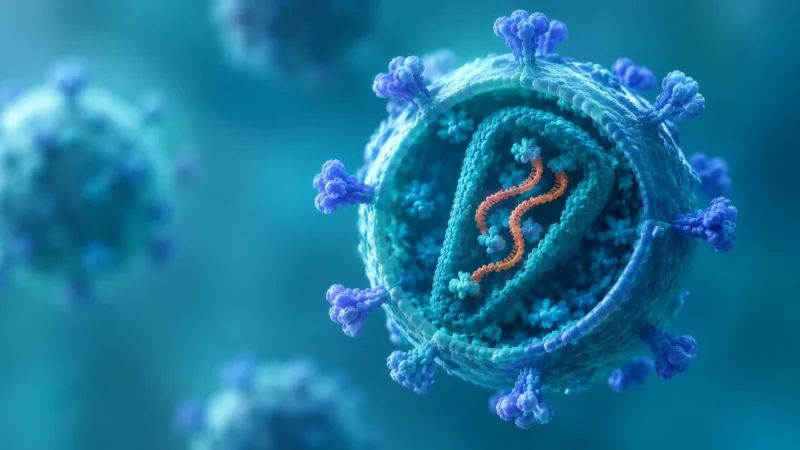
What is HIV?
HIV stands for human immunodeficiency virus. It affects the immune system, which helps the body fight infections. HIV can affect anyone, whatever their gender or sexuality. There is currently no cure, but treatment controls the virus and protects the immune system. Most people who are diagnosed and receive effective treatment can expect to live a long, healthy life.
How is HIV passed on?
HIV can be passed on through certain body fluids, including blood, semen, vaginal fluid and fluid from the rectum (back passage). HIV can be passed on during vaginal or anal sex when a person with HIV has a detectable viral load and effective protection, such as condoms, are not being used. The risk from oral sex is very low.
HIV can also be passed on by:
- sharing needles, syringes or other equipment used to inject drugs
- passing from a parent to a baby during pregnancy, birth or breastfeeding.
Specialist care and treatment greatly reduce these risks.
If someone living with HIV takes effective treatment and maintains an undetectable viral load, they cannot pass HIV on through sex. This is called U=U, which stands for undetectable equals untransmittable.
Can you get HIV from kissing?
No. HIV is not passed on by kissing, hugging, shaking hands, sharing toilets, food or drinks, or using the same cups or cutlery. It is not passed on by coughing, sneezing or insect bites.
Can you get HIV from oral sex?
The chance of HIV being passed on through oral sex is very low, but it is not impossible. The risk can be affected by circumstances such as blood or sores in the mouth. If you are worried about a possible exposure, a sexual health clinician can advise you.
How can I reduce my risk of getting HIV?
There are several effective ways to prevent transmission of HIV:
- Condoms reduce the risk of HIV and other STIs
- PrEP (pre-exposure prophylaxis) is medicine taken by people who do not have HIV to prevent infection before a possible exposure
- PEP (post-exposure prophylaxis) is emergency medicine that may prevent HIV after a possible exposure. It must be started within 72 hours, ideally as soon as possible. If you think you’ve been exposed, follow our HIV exposure pathway.
- Avoid shared injecting equipment, including needles and syringes.
What are the symptoms of HIV?
Many people have a short flu-like illness about two to six weeks after acquiring HIV. Other people have no symptoms and may feel well for years. Symptoms can include:
- a high temperature or fever
- a sore throat and swollen glands
- muscle aches and tiredness
- a generalised rash which can involve the palms and soles
- diarrhoea.
These symptoms are also common with other infections. You cannot tell whether you have HIV from symptoms alone, you need a test. Without treatment, HIV can gradually weaken the immune system and lead to more serious illnesses. If you feel unwell after a possible exposure to HIV, seek a clinical assessment using our “I have symptoms” pathway.
How is HIV diagnosed?
HIV is diagnosed with a test, usually using a blood sample. Some rapid self-tests use a finger-prick blood sample or a swab from inside the mouth. It takes time after exposure for a test to detect HIV. This is called the window period, and it differs between types of test. Read our HIV testing advice to understand the different tests, window periods and results. If a self-test gives a reactive result, that does not confirm an HIV diagnosis. You will need a further test through a healthcare service.
Where can I get a free HIV test in Brighton and Hove?
HIV testing through NHS sexual health services is free and confidential. In Brighton & Hove, you can choose from several options, including clinic and at-home testing, depending on your circumstances.
See where to get an HIV test in Brighton and Hove for local choices. If you are unsure which option is right for you, our STI and HIV testing pathway will help you find the appropriate next step.
How is HIV treated?
HIV is treated with medicines called antiretroviral therapy (ART). The aim of treatment is to stop the virus from making copies of itself and reduce the amount of HIV in the blood to a level that is undetectable. HIV treatment is available through specialist NHS services. Your HIV team will discuss your options, monitor your health and help you manage any questions about treatment. You can read more about HIV care in Brighton and Hove.
Can HIV be cured?
There is currently no routinely available cure for HIV. But HIV treatment is highly effective and can reduce the amount of virus in the blood to an undetectable level. The virus is still present in the body but at levels so low that tests can’t measure it. This is not the same as a cure, so treatment and ongoing HIV care are important.
Other frequently asked questions (FAQs) about HIV
Is it safe to have sex if you have HIV?
Yes. People living with HIV can have relationships and fulfilling sex lives. When treatment keeps the viral load undetectable, HIV cannot be passed on through sex (U=U). Your HIV team can answer questions about sex, relationships and prevention of other STIs.
What should I do if my HIV self-test result is reactive?
A reactive self-test result means you need another test to confirm whether you have HIV. It is not a diagnosis on its own. Contact a sexual health service promptly for advice and confirmatory testing. If you used an OraQuick oral self-test, follow our OraQuick result guidance.
What should I do after testing positive for HIV?
If you have a confirmed HIV diagnosis you will be offered specialist care and effective treatment. You do not have to manage everything at once. A health adviser or HIV clinician can explain your result, answer your questions and help you arrange your next steps. Find out how to access HIV services after a new diagnosis. If you would like emotional or practical help, see support for people living with HIV.
Is HIV the same as AIDS?
No. HIV is the virus. AIDS (acquired immune deficiency syndrome) is the name for serious illnesses that can develop if HIV has severely damaged the immune system. It is also described as advanced or late-stage HIV. In the UK, most people who are receiving effective HIV treatment do not develop AIDS.