
What is a contraceptive implant?
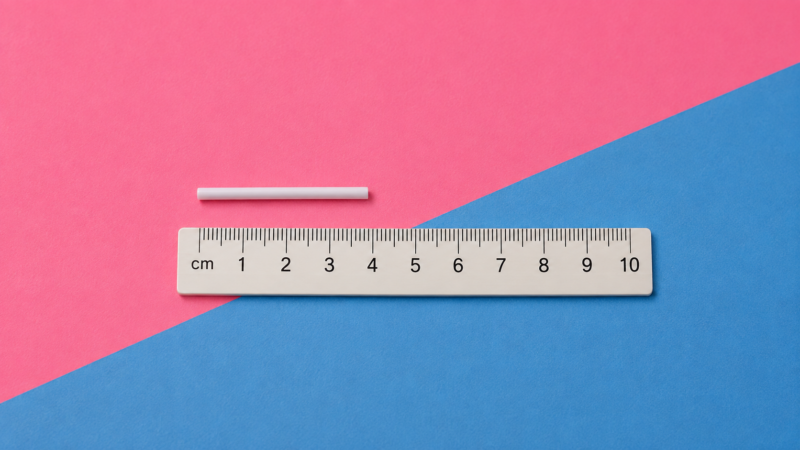
A contraceptive implant is a small flexible rod, about the size of a matchstick, which is placed under the skin of your upper arm. It slowly releases etonogestrel, a progestogen that prevents pregnancy mainly by stopping ovulation (release of an egg). The implant is over 99% effective and works for up to 5 years.
How is the implant fitted?
You will need to book an appointment for your implant fitting by calling 01273 523 388, and on the day of your appointment we recommend that you allow for at least half an hour in clinic. We aim to see you at your appointment time but unfortunately sometimes there are unavoidable delays. Implants can also be fitted by some GP practices in Brighton and Hove.
The nurse or doctor will call you through and ask you some questions. This is to check that it is safe to fit the implant, and to answer any questions you have. If you haven’t already had a full sexual health screen you will be offered one. We offer all of our patients a blood test for HIV and syphilis, and a swab for chlamydia and gonorrhoea.
A small area of your upper arm will be injected with a local anaesthetic. This may sting briefly, but the area should quickly become numb. The clinician will check the anaesthetic has worked before fitting the implant. As an alternative in some circumstances we can use a spray to numb the skin rather than an injection. The implant is fitted using a special device. It takes no more than a few minutes. You will not have any stitches, but a dressing will be put on your arm. This needs to be kept dry for 2 days after the procedure.
Please remember to wear clothes which are loose on the arm or can be removed for the procedure.
If you have further questions or concerns about the procedure you can book a telephone appointment to discuss any concerns before the procedure by ringing 01273 523 388. There are many things we can do to help make the whole process easier for you.
Phone line opening times
Phone lines are closed on Bank Holidays.
- Monday:
- 9.15am to 4.30pm
- Tuesday:
- 9.15am to 4.30pm
- Wednesday:
- 12.30pm to 4.30pm
- Thursday:
- 9.15am to 4.30pm
- Friday:
- 9.15am to 4.30pm
When can an implant be fitted?
The implant can be fitted at any point in your menstrual cycle, as long as you are not pregnant. If it is fitted during the first 5 days of your cycle, it will protect you against pregnancy straight away. Day 1 is the first day of your period. If it is fitted at another time, you may need to use condoms or avoid vaginal sex for 7 days. The clinician will tell you when you are protected, particularly if you are changing from another contraceptive method.
If there is a risk of pregnancy since your last period, the nurse or doctor fitting your implant may ask you to provide a urine sample for pregnancy testing on the day. You may be advised to repeat this after 21 days to make sure you are not pregnant.
If you are using another method of hormonal contraception, or have a copper intrauterine device (Cu- IUD or ‘copper coil’), you will be advised to continue using this until the implant is effective. The nurse or doctor who fits your implant will discuss this with you.
How effective is a contraceptive implant?
The implant is over 99% effective once it starts working. Your clinician will tell you when you are protected against pregnancy.
The implant does not protect against sexually transmitted infections. Condoms can reduce the risk of STIs. You may also be offered sexual health testing, vaccinations or HIV PrEP (medicine to prevent HIV) depending on the type of sex you are having.
Some medicines and herbal remedies can make the implant less effective. These include some medicines used to treat tuberculosis, epilepsy or HIV, as well as griseofulvin and St John’s wort.
Tell a doctor, nurse or pharmacist that you have an implant before starting any new medicine or herbal remedy.
What if I have or have had a meningioma?
If you currently have, or have previously had, a meningioma and are using hormonal contraception or considering starting it, please contact us on 01273 523388 to discuss your options. You can read about hormonal contraception and brain tumour risk on the College of Sexual and Reproductive Healthcare website.
Bleeding changes and possible side effects
Possible problems with the implant
How is the implant removed?
Although the implant is effective for 5 years, it can be removed at any point if you no longer want it, for example if you are planning to get pregnant. You can become pregnant as soon as the implant is removed. If you do not want to become pregnant, arrange another contraceptive method before removal or use condoms immediately afterwards.
You will need to book an appointment for your implant removal by calling 01273 523 388, and on the day of your appointment we advise that you allow for about half an hour in clinic. Implants can also be removed by some GP practices in Brighton and Hove.
The nurse or doctor will call you through and ask you some questions. You will be offered another form of contraception if you are not planning to get pregnant, and you will have a chance to ask any questions. If you haven’t recently had a full sexual health screen you will be offered one.
A small area of your upper arm will be injected with a local anaesthetic. This may sting briefly, but the area should quickly become numb. The clinician will make a small incision (cut) in your arm where the implant is, and gently push the implant out. You will not have any stitches, but a dressing will be put on your arm. This needs to be kept dry for 5 days after the procedure.
Please remember to wear clothes which are loose on the arm or can be removed for the procedure.
If you have further questions or concerns about the procedure, you can book a telephone appointment before the procedure by ringing 01273 523 388. There are many things we can do to help make the whole process easier for you.
Advice for after an implant is fitted or removed
Please follow this guidance:
Before your implant procedure, a small area on your arm will have been numbed with a local anaesthetic. The effects from this can last up to 2 hours. If it feels tender or bruised later on that day, take some shop bought painkillers (paracetamol or ibuprofen) if you can take them. Follow the instructions on the packet.
Sometimes the local anaesthetic can make you feel sleepy or dizzy, so we ask you to stay at the clinic for a short time after your insertion/removal. If your procedure is at home the nurse will stay for a short while. If you notice any side effects, it is important that you do not drive until they wear off.
After having an implant put in it is important to keep the area covered and dry for 2 days to help it heal.
After having your implant taken out you will have some plaster strips across the wound to close it. These must be kept dry and covered for 5 days.
You may have a bandage on to help reduce the bruising. The bandage needs to be tight but not uncomfortable. Loosen if it’s too tight, or if your fingers swell up. You can take the bandage off 24 to 48 hours after your procedure, but you can keep it on for a little longer if you want to.
You may have bruising around the implant site and a small scar. These should improve as the area heals.
If the area around the implant becomes increasingly painful, red, hot, sore or itchy, then it is important to see a doctor. If you can’t do this, please phone 01273 523 388 for advice.
Your implant contains a tiny amount of barium. This will show up on an x-ray and can be very useful in confirming the position of the implant.
The implant works for up to 5 years. You will be given a card showing when it was fitted and when it needs to be removed or replaced. Keep this card safe. If you lose the card, call us on 01273 523 388 and we will tell you what the expiry date is.
If you have any questions or concerns, please ring 01273 523 388 to discuss them with a nurse or doctor.